The Table Is a Dojo
Explore Texas Hold'em strategy, mindset practice, and poker philosophy.
See yourself through play. Improve through review.
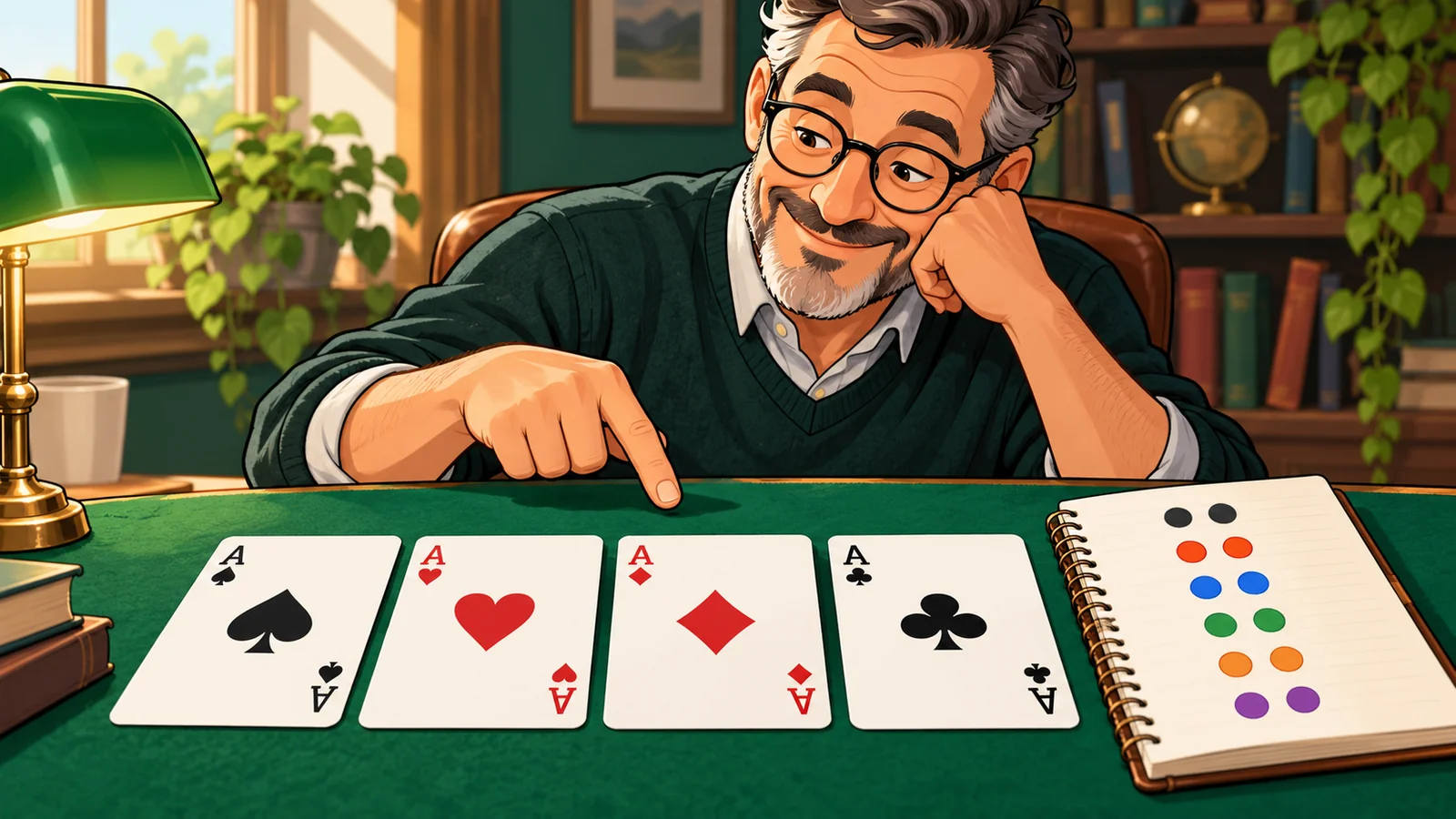
Poker Combos: Count the Hands, Not the Labels

Why does AA have six combos and AK sixteen? Follow a QJ river example through card removal, range weights, a 40% calling threshold, and better reasoning about calls, bluffs, and value bets.

Afraid to Value Bet?

I flopped top set with QQ, then kept calling because I didn't want anyone to fold. I won the pot. What might I have missed? A real hand about slow-playing, value windows, and the psychology behind our bets.
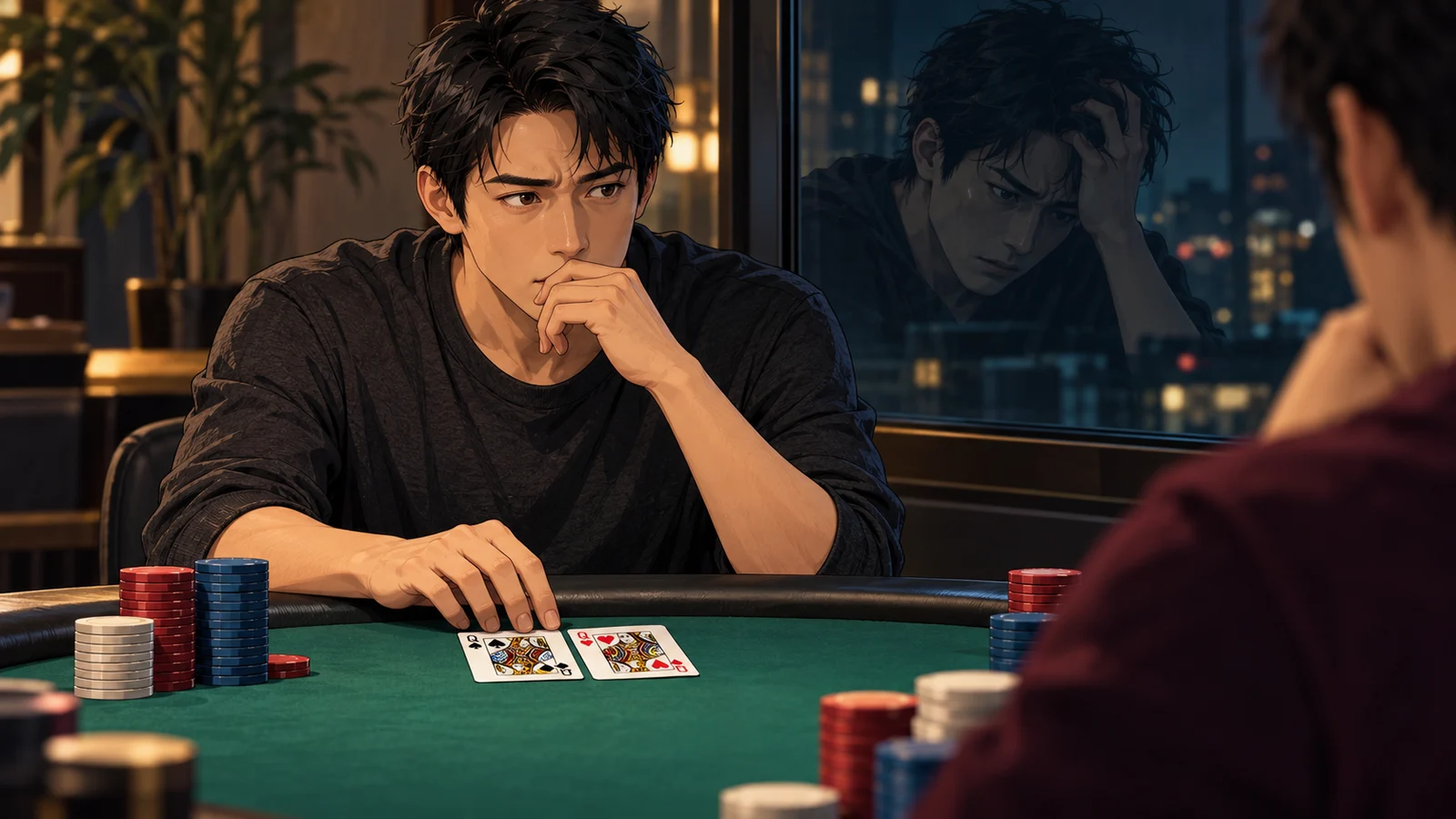
Reading the Hand, or Feeling the Fear?
Someone saw fear in my play. Reviewing three real hands with AQ, JJ, and QQ, I began to separate evidence-based caution from ranges narrowed by pressure. The goal is not a heroic call. It is an honest decision.
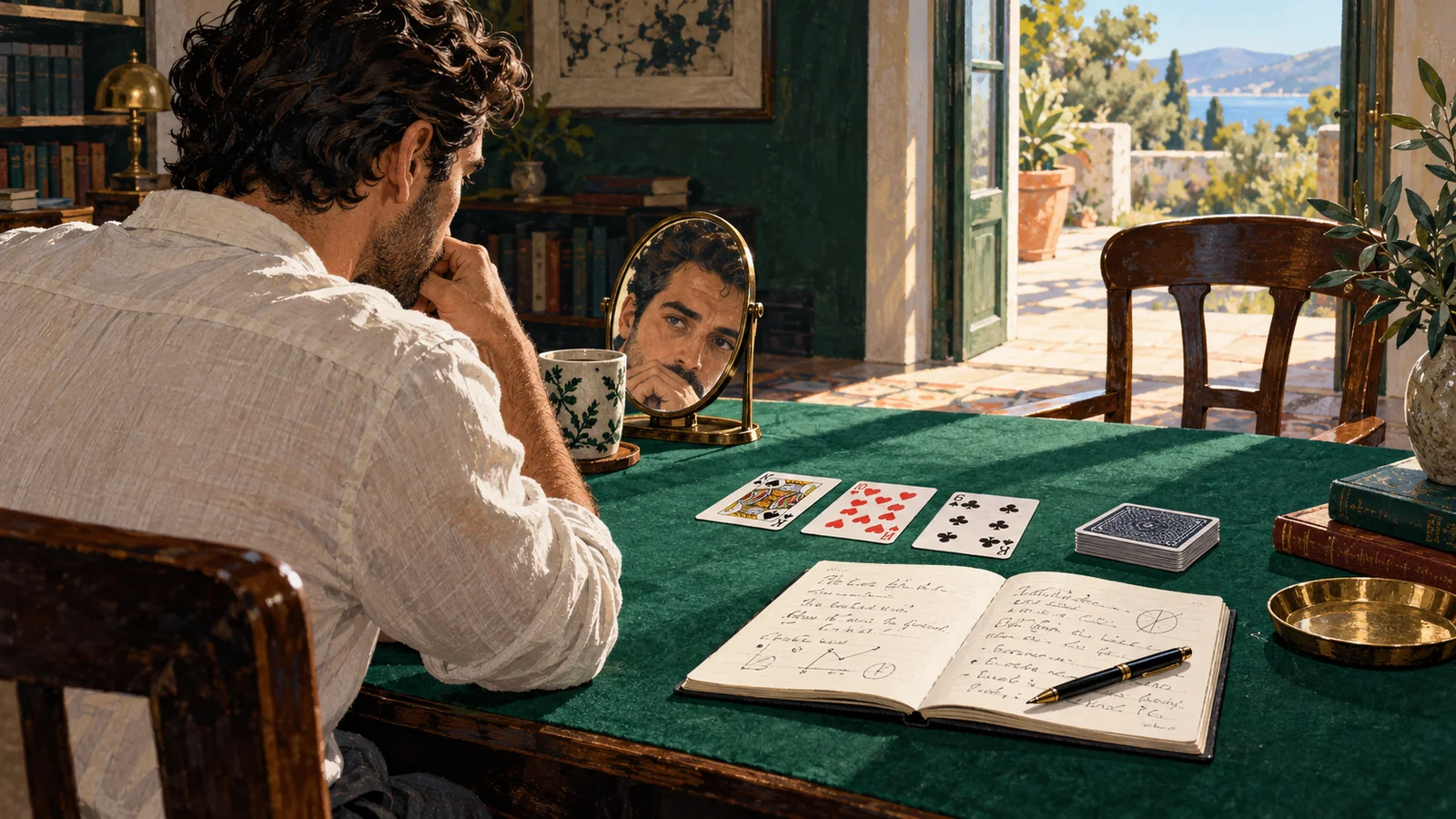
See Poker Clearly. Still Love the Game.

Poker scandals deserve scrutiny. So do our own decisions. Separate integrity concerns, variance and strategy mistakes without excusing cheating or surrendering the freedom to walk away.

Don't Become the Fish You're Chasing
Chasing a soft poker game can lead to tilt, revenge calls and entitlement. Target real leaks without letting your ego turn you into the fish.

Wanting to Win and Fearing Loss Are Both Poker Weaknesses
Kobe Bryant said he played to figure things out and learn. Here is how that process-first philosophy can help poker players separate outcomes from decision quality.

Train the Game, Train the Mind: Why Poker Growth Begins with Review
Poker growth requires more than studying strategy. Honest hand review gives skill a structure, exploitation an evidential basis, and the player enough awareness to remain free under pressure.
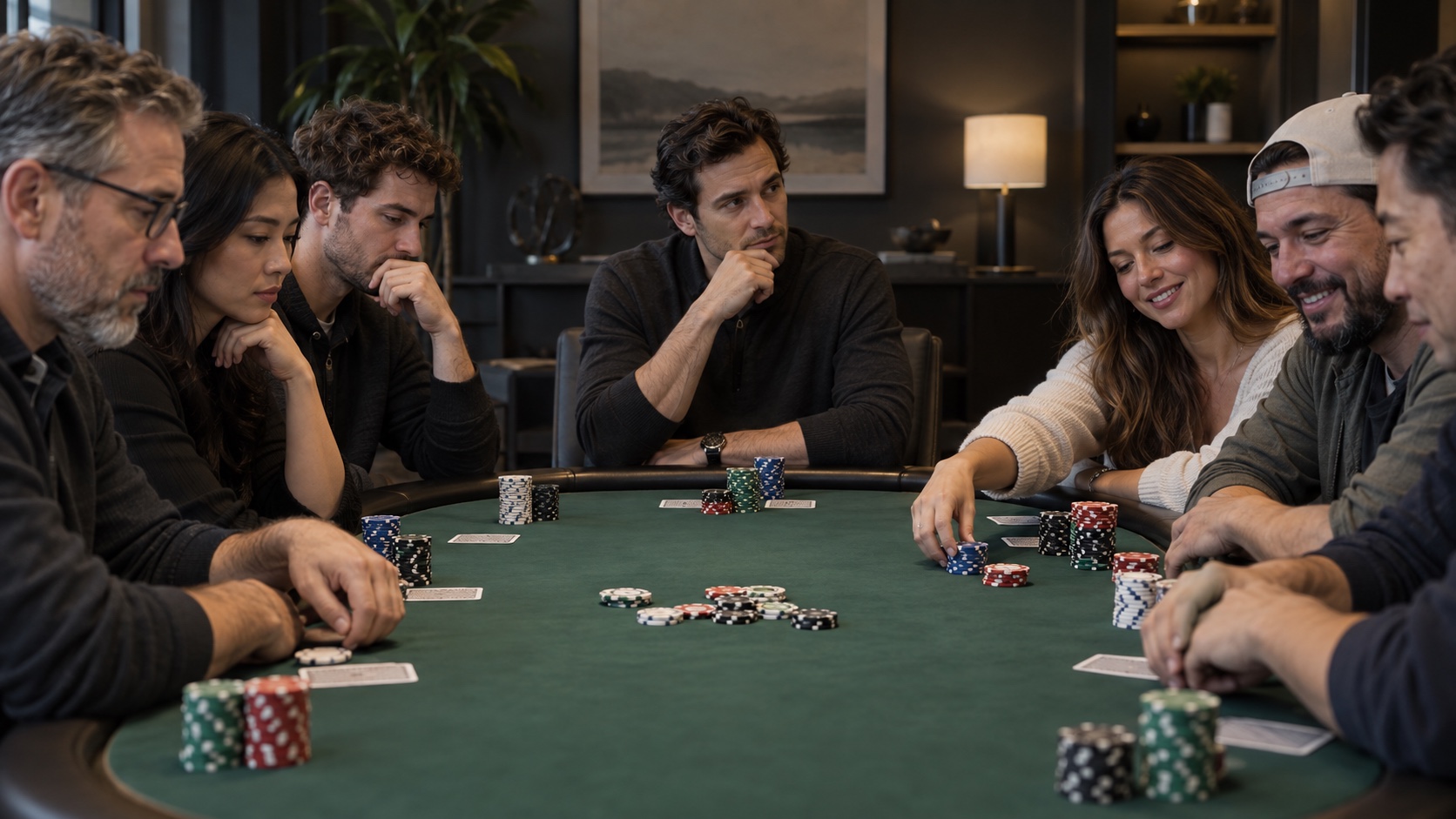
The Table Is Not the Problem. You Only Know One Kind of Table
Professional games test technique. Loose games test adaptability. A mature player reads the environment, adjusts strategy, and keeps discipline intact.
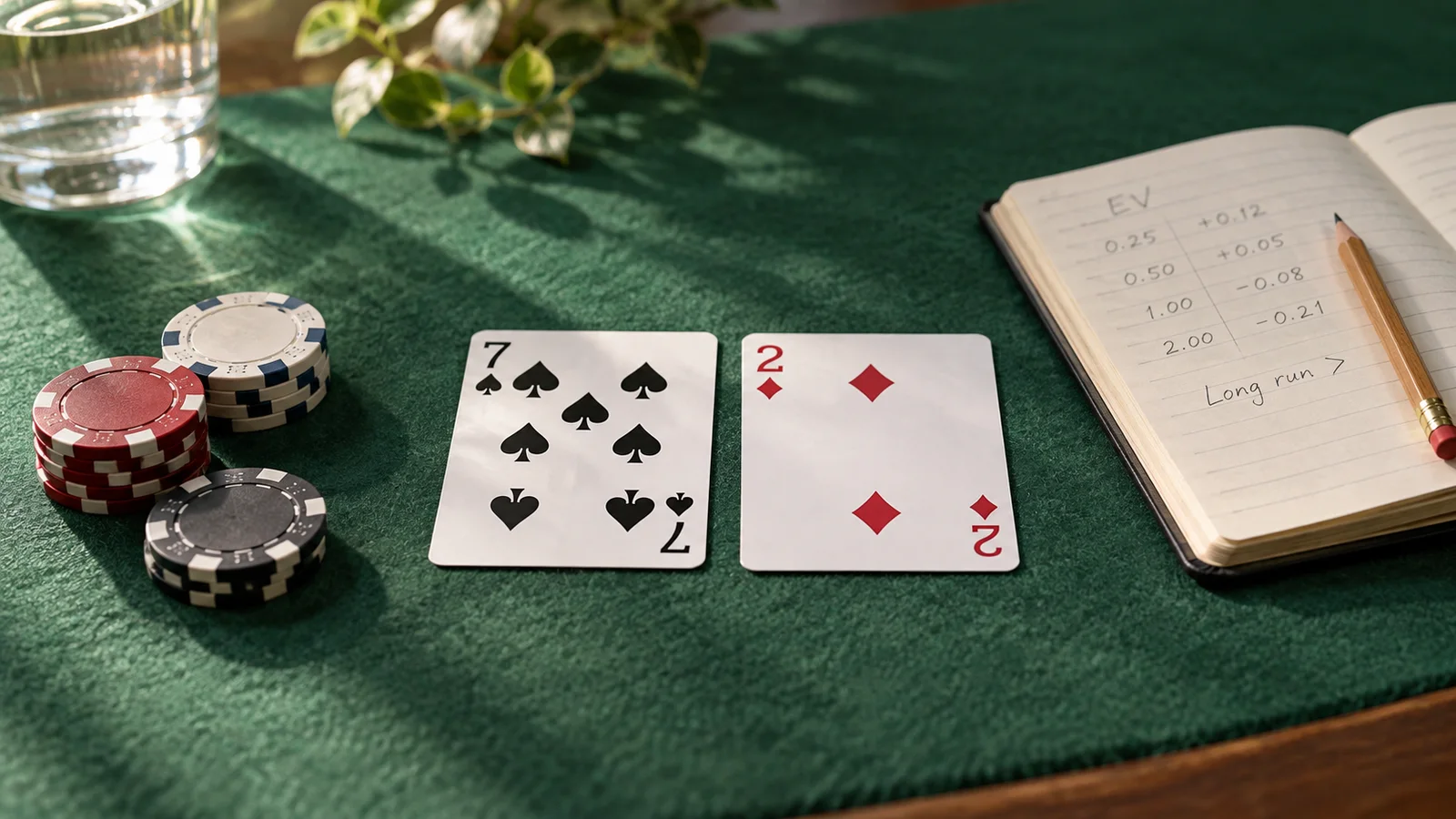
7-2: Bonus or Trap?
Winning with seven-deuce can buy you a bounty, an audience, and a great story. But does it make money? A cash-game player's reflection on EV, ego, and the hidden 72 Tax.
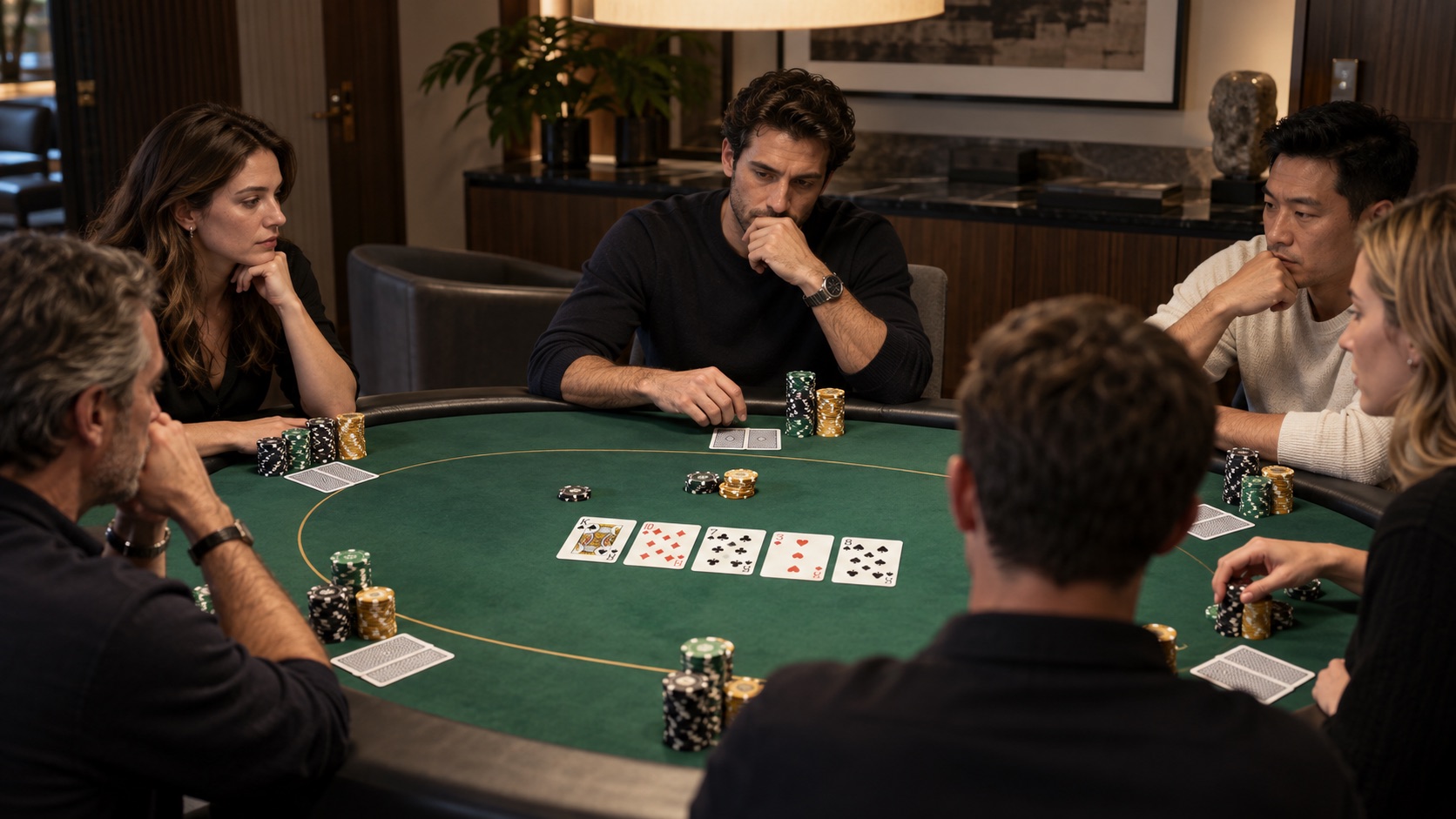
The Three Forces at the Poker Table
Poker performance is shaped by three moving forces: professional skill, emotional core, and table momentum. Each changes with pot size, financial pressure, and player interaction.

You May Not Know How Much Poker Can Teach You
Why is Texas Hold'em worth learning? It trains probability, judgment, emotional control, and awareness under incomplete information, with clear boundaries around gambling risk.

The Poker Habits You Bring to the Table Can Change
Poker habits are not fixed. Learn how hand reviews, evidence, and deliberate practice can turn automatic decisions into choices you can test and improve.

Zen and the Art of Poker
Beginning with Robert Pirsig's inquiry into Quality, this essay asks what makes a poker decision good before the result is known: GTO is the skeleton, exploit is the blade, and Awareness is the spirit.

No Escape, No Repeat: Why the Most Painful Poker Hands Deserve Review
A French player lost a huge pot and said he never wanted to see the hand again. But what we refuse to examine often returns as the same mistake in a different hand. Review is how we break the loop.

In Las Vegas, I Turn Every Hand into Practice
In Las Vegas, I treat every hand as practice: generosity toward others, discipline at the boundary, patience through variance, diligence in review, concentration in the present, and wisdom in seeing myself clearly.

Why Poker Knowledge Disappears Under Pressure
You can understand ranges, pot odds, and GTO, then abandon all of it in the ten seconds that matter most. The missing skill is not more knowledge, but access to knowledge under pressure.
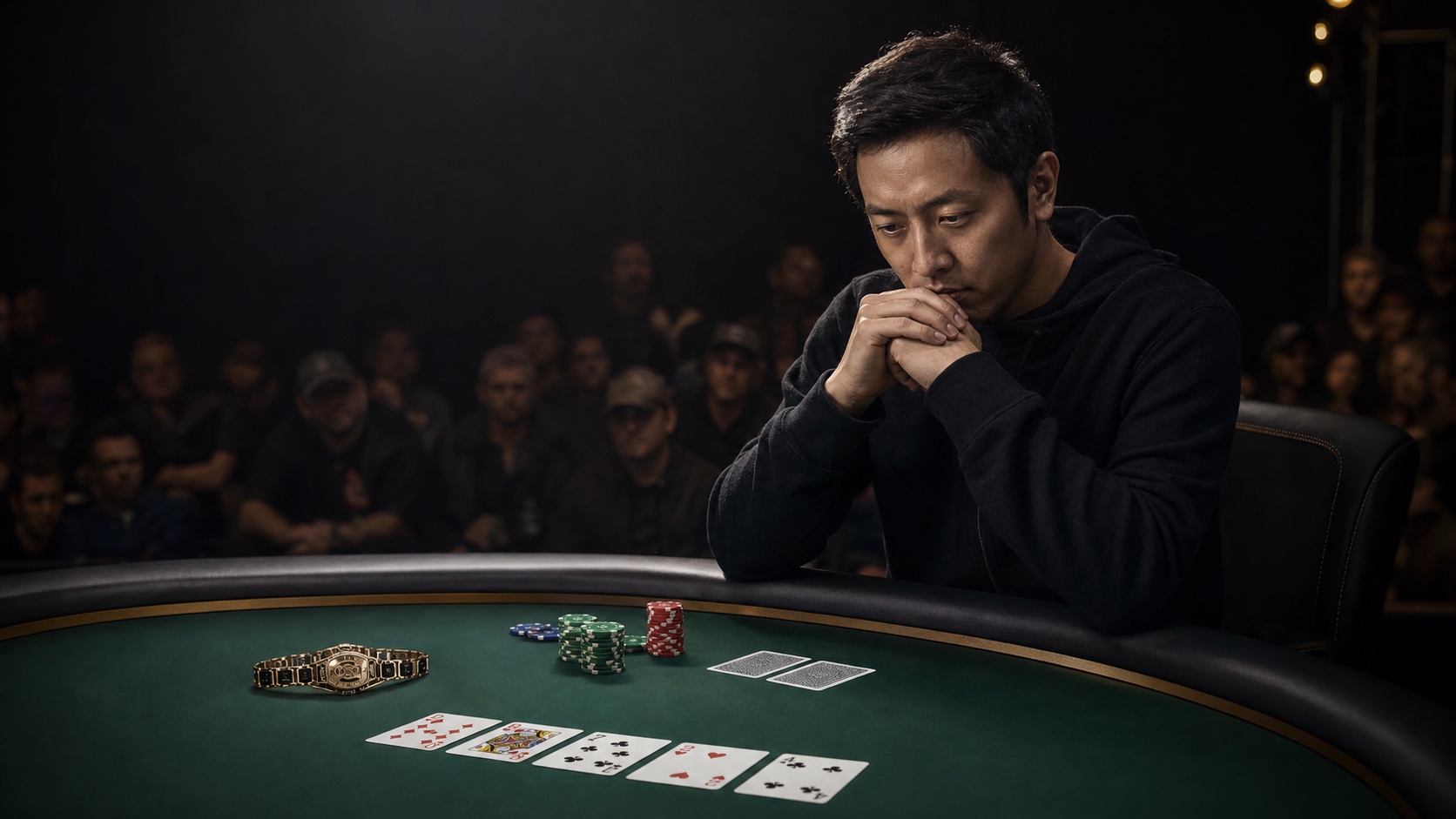
Beyond the Bracelet: What the WSOP and MTT Poker Teach Us About Skill, Luck, and the Self
Why does a WSOP gold bracelet carry so much emotional weight? An MTT final table compresses skill, variance, money, identity, and a once-in-a-lifetime opportunity into a single river card. The deepest lesson is not only how to win, but how to know yourself when the result refuses to cooperate.
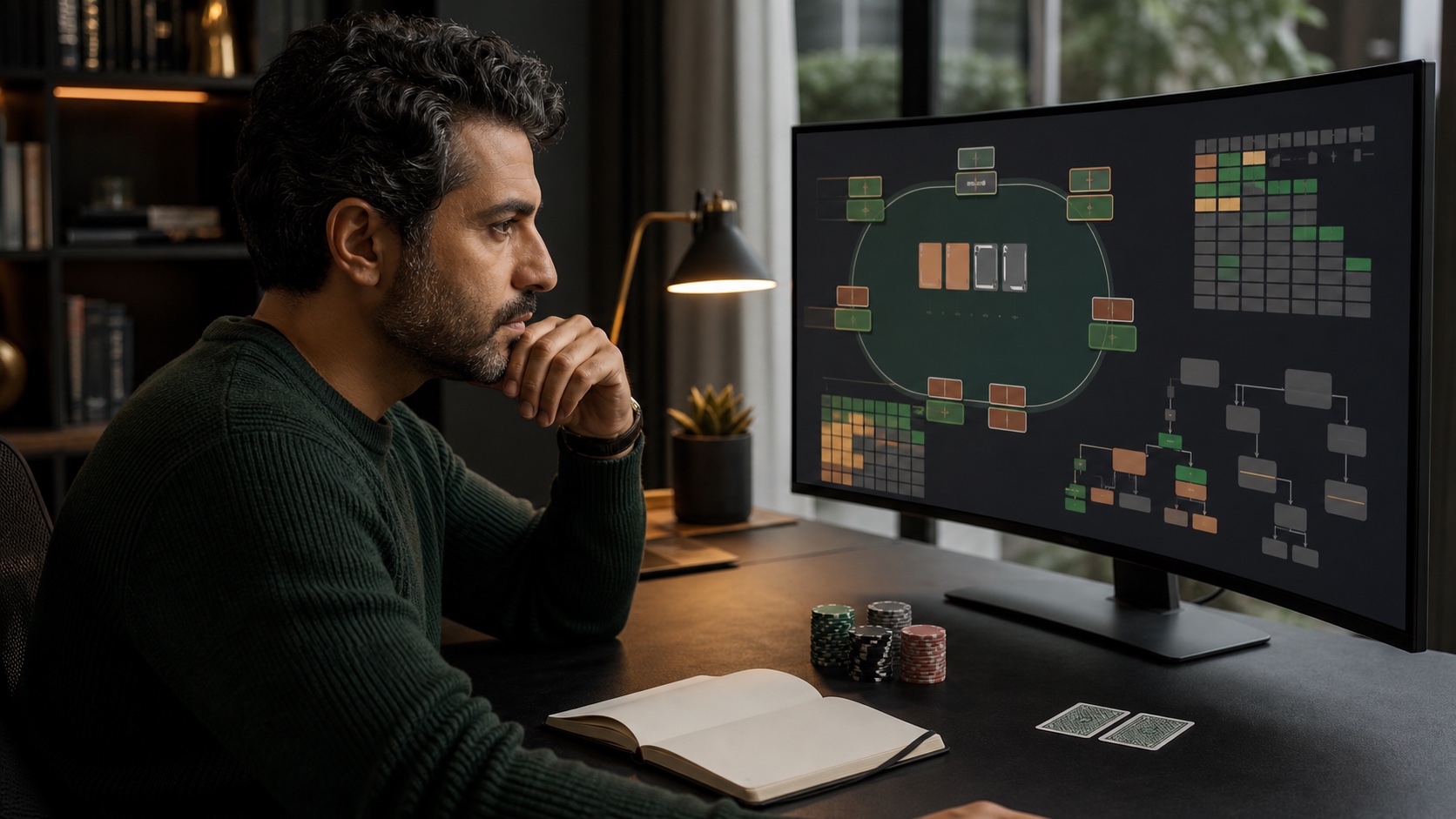
Why Top Players Need ZenPoker
See how ZenPoker helps serious players connect review, awareness, opponent notes, and decision quality into one growth system.

Review is the Hardest Growth, and the Only Growth
Learn why honest poker review is uncomfortable but essential, and how it turns experience, mistakes, and emotion into real growth.
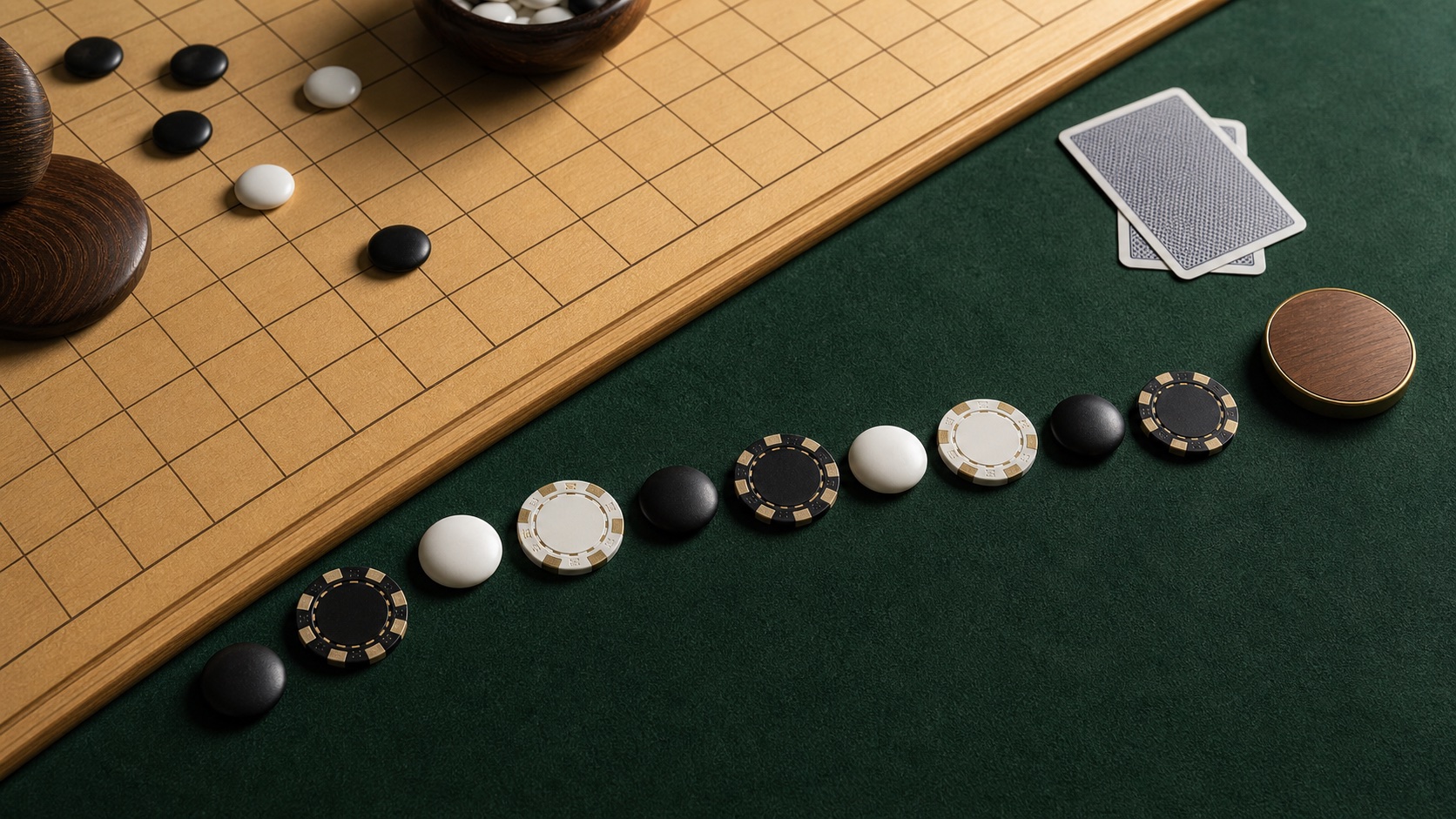
Texas Hold'em Ten Commandments from Go Wisdom
Discover ten table disciplines inspired by ancient Go wisdom and learn how they apply to Texas Hold'em strategy and mindset.

Downswings: The Best Training Ground in Poker
Learn how poker downswings expose ego, leaks, and tilt, and how review and awareness can turn losing streaks into stronger discipline.
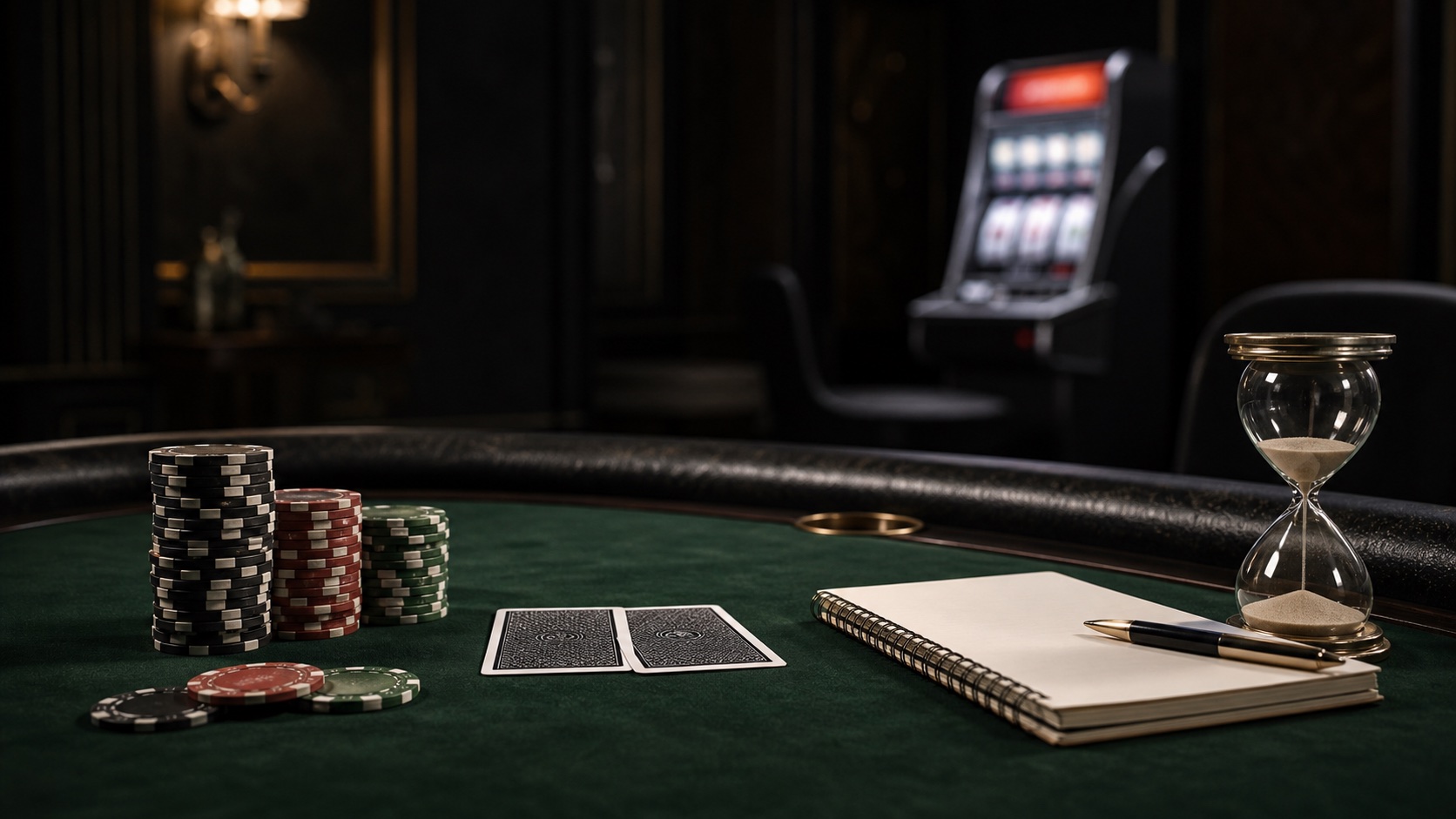
Slot Machines vs. Poker: Deplete or Grow
Compare slot machines and Texas Hold'em through psychology, probability, and discipline to see why poker can support real growth.

Beginner's Mind at the Poker Table
Apply Zen beginner's mind to Texas Hold'em and learn how openness, humility, and awareness help strong players avoid stagnation.
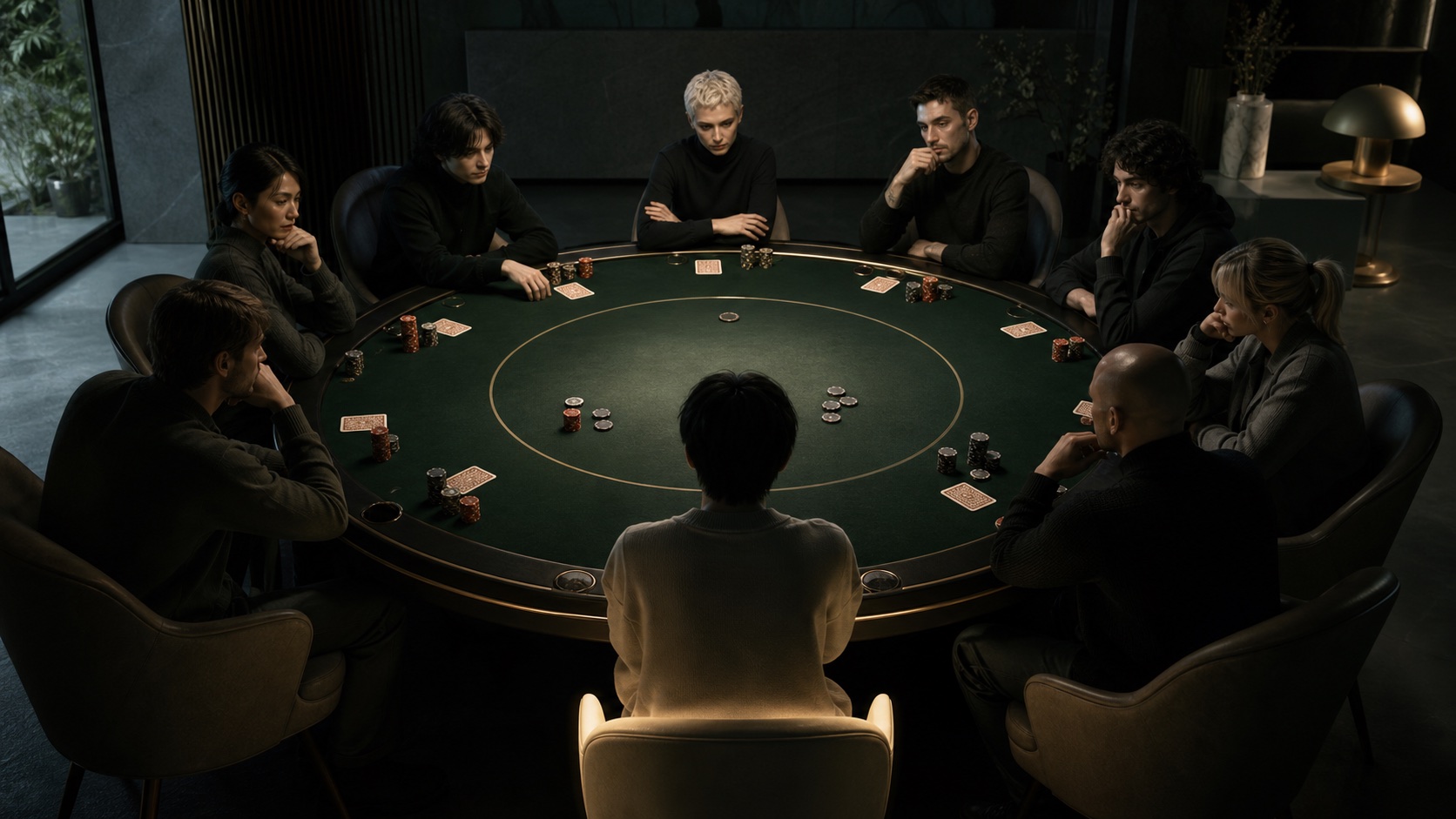
If You Can't Spot the Loser, You Might Be Turkey
Use Taleb's turkey problem to spot hidden poker risk, avoid becoming the table target, and build sharper survival discipline.
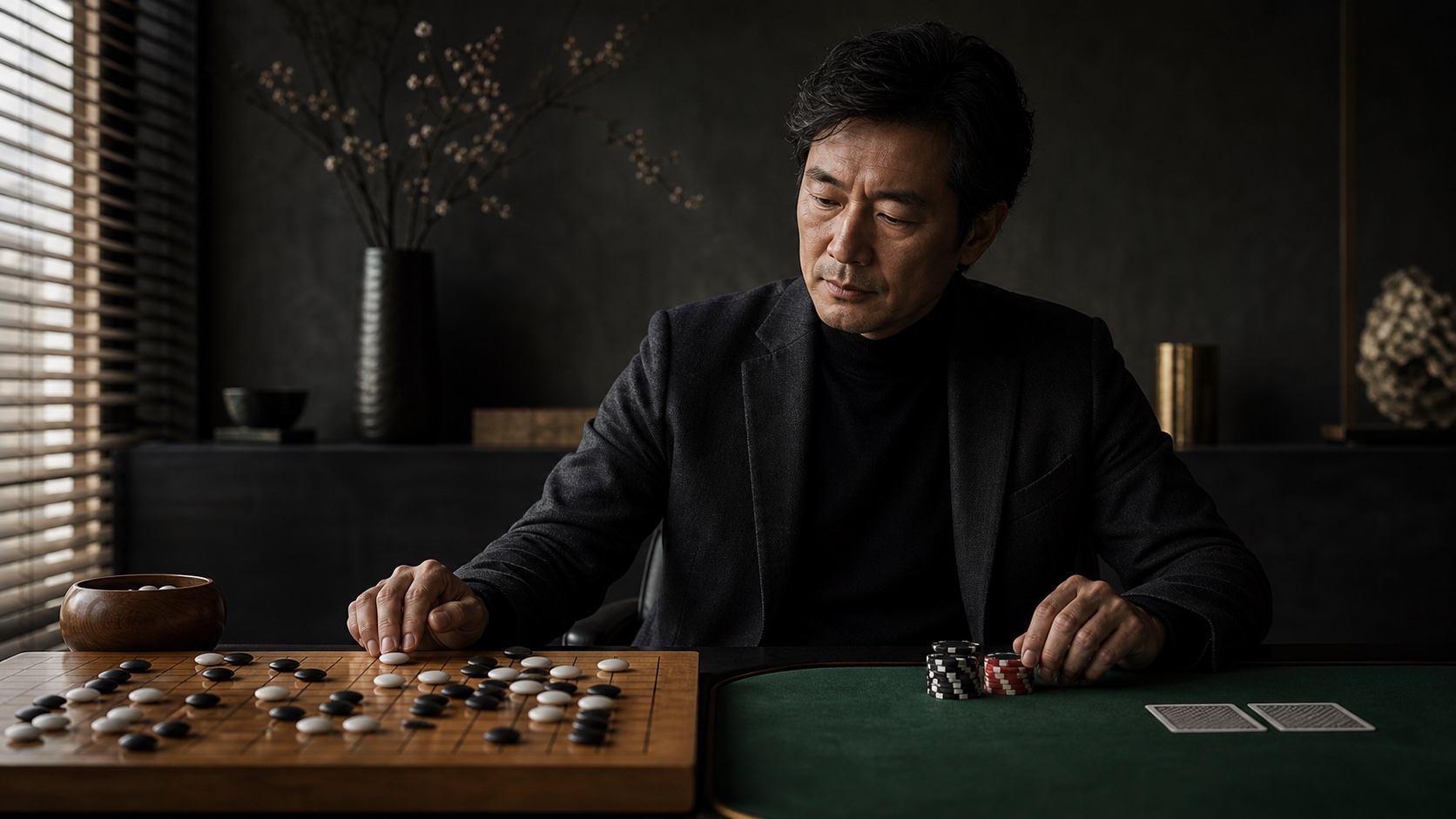
Do Not Covet Victory: Lee Chang-ho's Poker Lesson
Learn how Lee Chang-ho's Go philosophy of steady small edges applies to Texas Hold'em discipline, risk control, and long-term poker growth.

Five Poisons, Blessings, and Poker Training
Explore ZenPoker's Five Poisons, Five Blessings, and Five Elements framework for turning table emotions into structured poker training.
Victory Through Restraint: Poisons to Blessings
See how awareness and restraint can transform greed, anger, delusion, sloth, and doubt into healthier poker decisions and growth.

Poker Awareness Journal: Daily Practice Guide
Use this poker awareness journal template to record hands, track emotions, spot mental leaks, and turn every session into practice.
Poker is Not Gambling: Poison or Antidote
Understand how Texas Hold'em differs from gambling and how awareness, discipline, and rational review turn poker into a training path.
Rounders: Luck, Discipline, and Awakening
Revisit Rounders as a story about discipline, self-awareness, and poker awakening rather than luck, impulse, or sudden redemption.
Why Baccarat is More Addictive than Texas Hold'em
Compare baccarat and Texas Hold'em across psychology, probability, and discipline to understand why baccarat creates higher addiction risk.
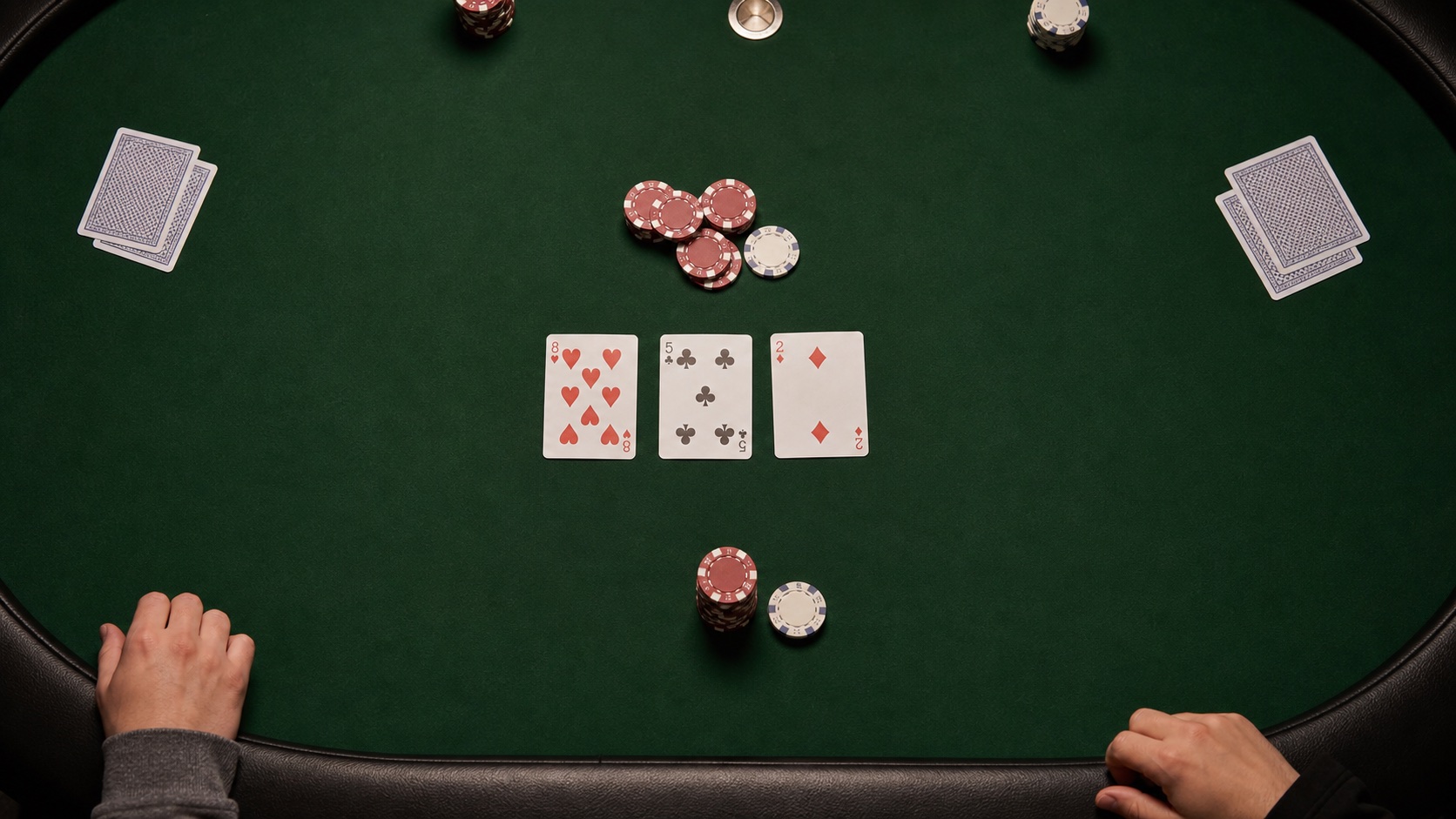
How to Make the Right Flop Continuation Bet

A practical guide to flop continuation bets, board texture, position, opponent types, and better post-flop decision-making.
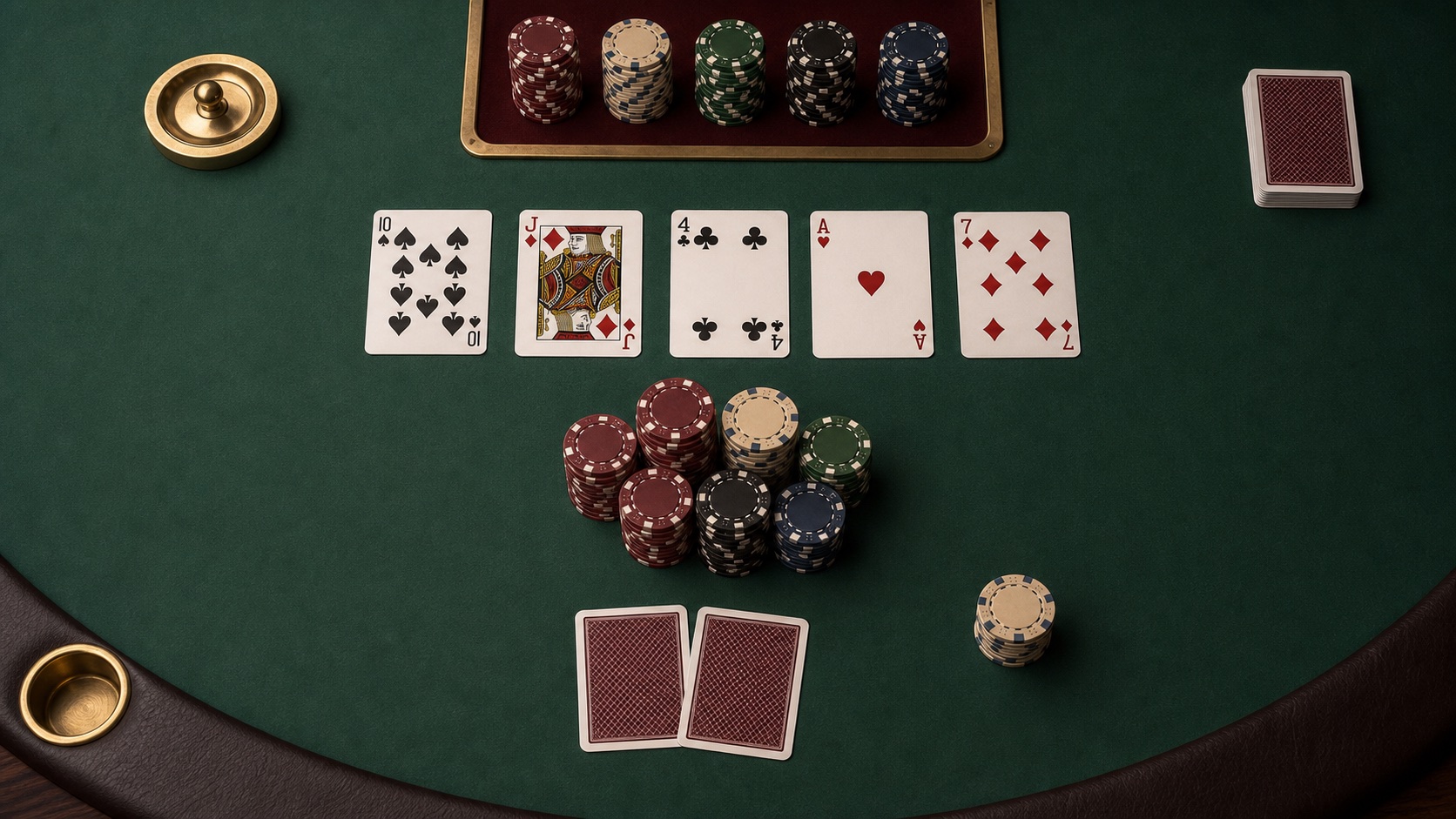
Complete Guide to Pot Odds Calculation
Learn pot odds from scratch, including calculation methods, implied odds, and practical Texas Hold'em decision examples.
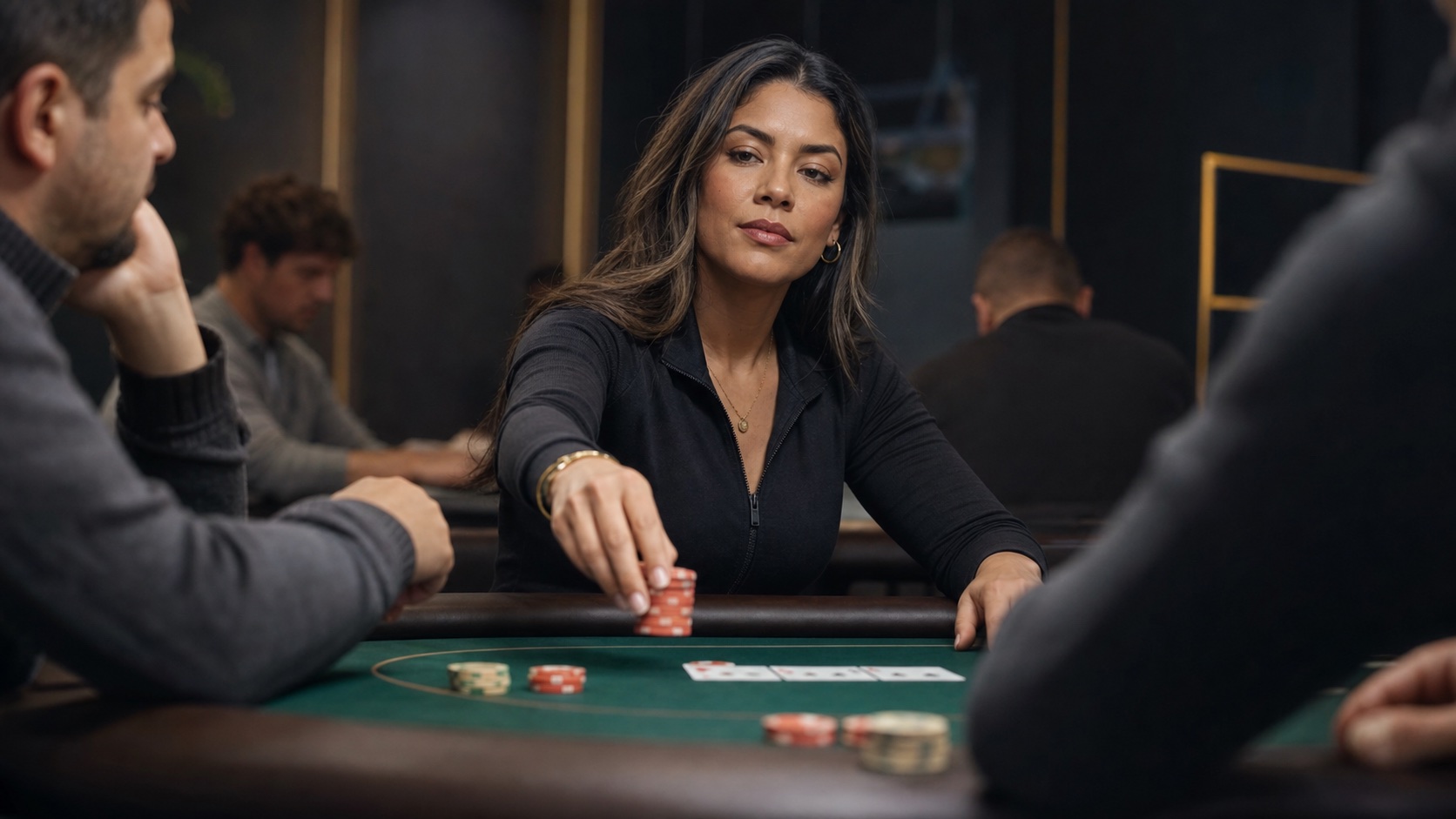
From Passive to Aggressive Poker Style
Learn when to raise instead of call, why passive poker limits profit, and how to build a more assertive Texas Hold'em strategy.
Move from Theory to Practice
Read to build understanding, then use AI review to practice. Every hand can become material for clearer decisions.
Explore More
Go deeper into ZenPoker philosophy and practice.