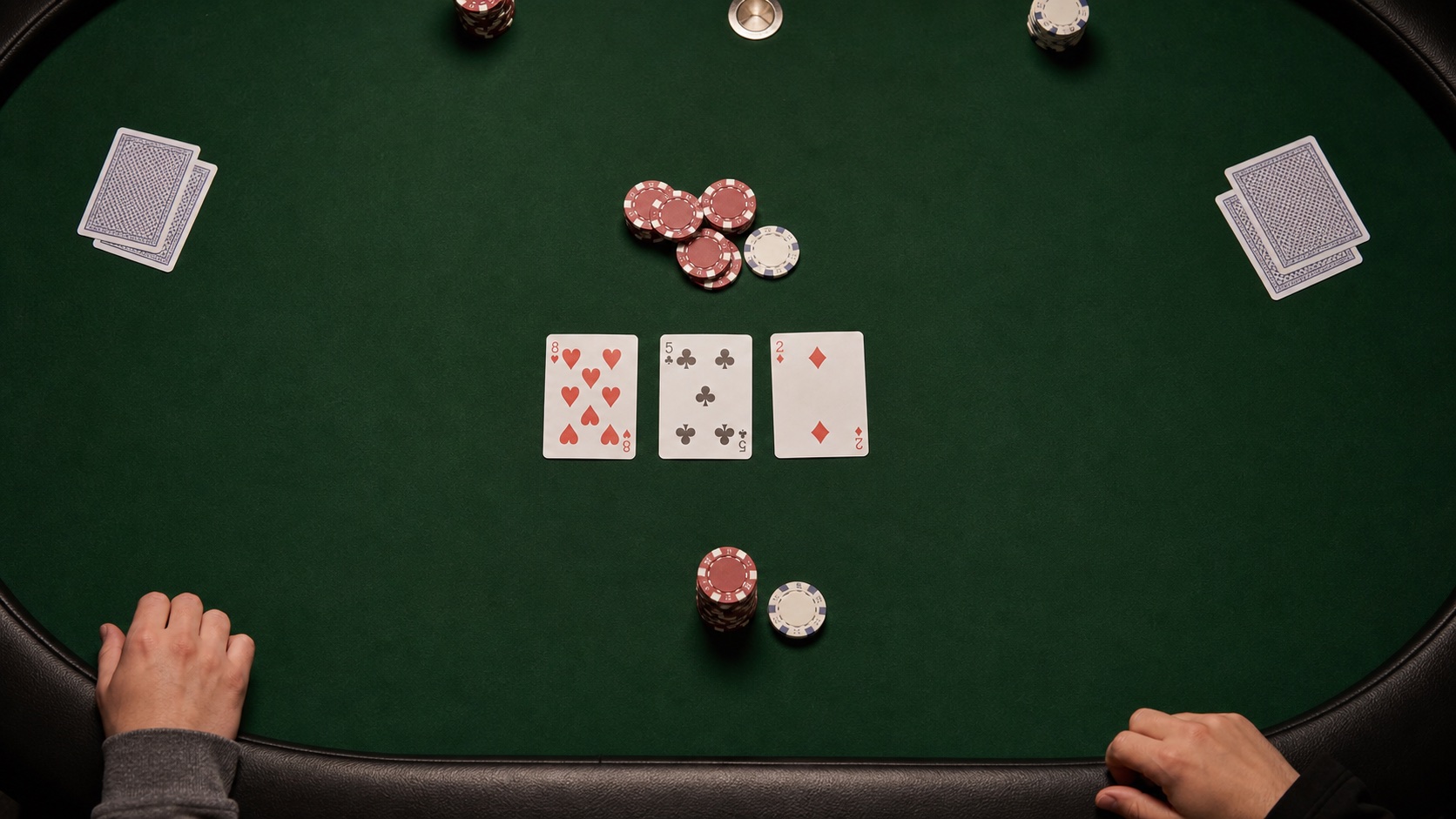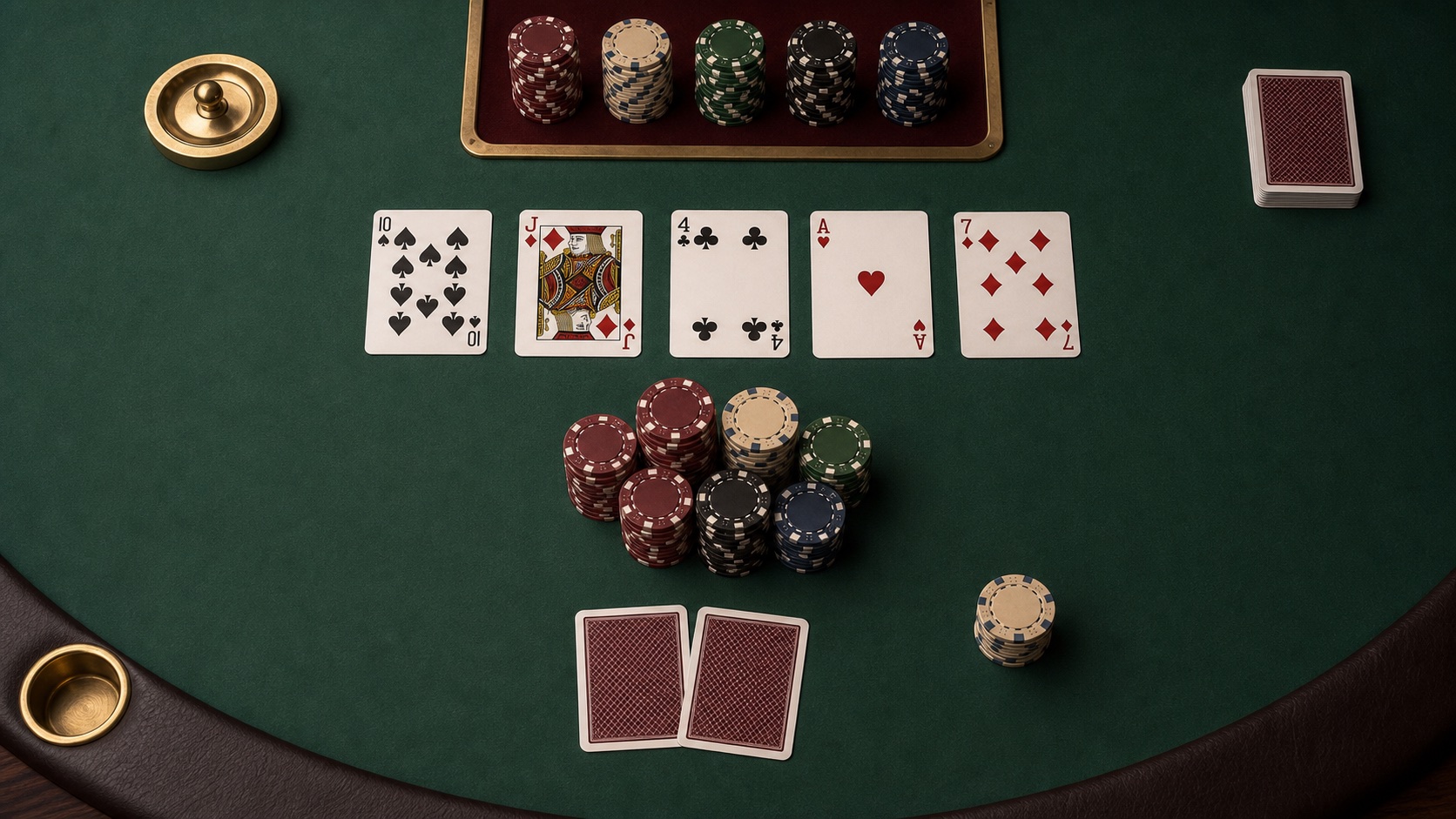
What is Passive Play?
Characteristics of passive play:
- Rarely raises: Mostly just calls
- Afraid to bluff: Only bets with strong hands
- Easily intimidated: Often folds when facing a raise
- Lacks initiative: Lets opponents control the pace of the game
Problems with Passive Play
In the long run, passive play is hard to profit from:
- Your hand range becomes easy to read
- You miss many opportunities to win pots
- You can't fully leverage positional advantages
- You allow opponents to see cards at a low cost
Why Switch to Aggressive Play?
1. Increase Winning Methods
Passive play has only one way to win:
- Having the best hand at showdown
Aggressive play offers two ways to win:
- Having the best hand at showdown
- Forcing opponents to fold
2. Control the Pace of the Game
Players who raise aggressively:
- Force opponents to make tough decisions
- Gain an information advantage
- Can dictate the size of the pot
3. Establish a Fearsome Image
When you frequently raise:
- Opponents will respect your bets more
- Your bluffs become more effective
- You extract more value from strong hands
4. Maximize Value
Passive play:
- Just calls with strong hands
- Allows opponents to see cards for free
- The pot fails to grow
Aggressive play:
- Raises with strong hands
- Builds a large pot
- Maximizes value
Core Principles of Aggressive Play
1. Raise > Call
Golden Rule:
"If a hand is worth calling, it’s usually worth raising."
Why?
- Calling obscures your hand strength range
- Raising gives you two ways to win
- Raising builds the pot, creating opportunities for later
2. Choose the Right Situations to Raise
Situations to raise:
Pre-flop:
- You hold a medium or better hand in late position
- There are limpers in front
- You want to isolate an opponent
Post-flop:
- You have a strong draw
- You have positional advantage
- The board is favorable for you
3. Understand the Purpose of Raising
Every raise should have a clear purpose:
- Value Raise: Extract value from weaker hands
- Protection Raise: Deny good odds to draws
- Isolation Raise: Reduce the number of opponents
- Bluff Raise: Win an unclaimed pot
How to Change Your Playing Style
Stage 1: Starting Pre-Flop
Goal: Increase pre-flop raise frequency
Specific Actions:
Original:
- UTG: Raise only with AA, KK, QQ, AK
- Call or fold with other hands
Improvements:
- UTG: Raise with 88+, ATs+, KQs, AJo+, KQo
- Late Position: Expand to 22+, A2s+, K9s+, Q9s+, J9s+, T8s+, A9o+, KJo+
Practice Method:
- Create a pre-flop raising range chart
- Strictly implement for one week
- Record results and adjust
Stage 2: Post-Flop Aggression
Goal: Learn to make continuation bets
Specific Actions:
Original:
- Check/fold when missing the flop
- Bet only with strong hands
Improvements:
- As the pre-flop aggressor, make a continuation bet 70% of the time
- Bet more frequently when in position
- Don’t be afraid to bet with Ace-high or any pair
Practice Scenario:
You are on the button holding A♠ K♦, raised pre-flop
Big blind calls
Flop: Q♠ 7♥ 3♦

Even if you miss, you should make a continuation bet (50-66% of the pot)
Stage 3: Semi-Bluffing Techniques
Goal: Apply pressure with drawing hands
What is a semi-bluff?
- Currently not the best hand
- But has the potential to improve to a strong hand
- Bet or raise aggressively
Example:
Your hand: J♠ T♠
Flop: 9♠ 8♣ 2♠

You have:
- Open-ended straight draw (8 outs)
- Flush draw (9 outs)
- A total of about 15 outs

You should: Bet or raise aggressively, rather than calling passively
Stage 4: Positional Awareness
Goal: Leverage positional advantage to raise
When in position:
- Raise more frequently
- Expand your raising range
- Actively steal blinds
When out of position:
- Be more cautious
- Narrow your range
- Focus on hand strength quality
Real-World Case Analysis
Case 1: Pre-Flop Aggression
Passive Play:
You are in the cutoff holding A♥ J♥
A player in early position limps in
You: Call

Result: 5 players see the flop, making it difficult to play
Aggressive Play:
You are in the cutoff holding A♥ J♥
A player in early position limps in
You: Raise to 4BB

Result: Isolate opponents, narrow ranges, establish initiative
Case 2: Flop Attack
Passive Play:
You hold K♠ Q♦, raised pre-flop, and your opponent calls
Flop: K♣ 7♠ 3♥
You have top pair but worry your opponent has a better hand
You: Check

Opponent: Bets
You: Call

Result: Lost initiative, unable to control the pot
Aggressive Play:
Same scenario
Flop: K♣ 7♠ 3♥
You: Continuation bet 66% of the pot

Opponent's options:
- Fold (you win outright)
- Call (you maintain initiative)
- Raise (you gain information)
Case 3: Semi-Bluffing
Passive Play:
You hold 9♠ 8♠
Flop: 7♠ 6♥ 2♠
You have a double-ended straight draw + a flush draw

Opponent bets, you: Call

Turn: K♣ (missed)
Opponent continues betting, you: Fold

Result: Passive call leads to a fold under pressure on the turn
Aggressive Play:
Same scenario
Flop: 7♠ 6♥ 2♠

Opponent bets, you: Raise

Result:
- Opponent folds, you win outright
- Opponent calls, you have position and a strong draw
- Even if the opponent re-raises, you have 15 outs to improve
Mindset Adjustment
1. Overcoming Fear
Common Fears:
- "What if my opponent has a better hand?"
- "Am I going to lose too many chips?"
- "What if I get caught bluffing?"
Mindset Shift:
- Poker is a long-term game; individual results don't matter.
- An aggressive strategy, even if it occasionally fails, is more profitable in the long run.
- Getting caught bluffing can actually benefit you by allowing your strong hands to gain value.
2. Embracing Variance
Reality:
- An aggressive style will increase short-term variance.
- You'll experience more big pots.
- Sometimes, you may lose more.
But in the Long Run:
- Overall win rate is higher.
- You'll win more medium-sized pots.
- Strong hands will extract maximum value.
3. Building Confidence
Step by Step:
- Start practicing at lower stakes.
- Increase your raise frequency by 10% each week.
- Record and analyze your results.
- Continuously adjust and optimize.
Common Mistakes and How to Avoid Them
1. Over-Aggression
Mistake: Becoming a reckless bluffer after the shift.
Signs:
- Raising every hand.
- Ignoring the board and opponents.
- Excessive bluffing.
Improvements:
- Maintain balance.
- Adjust based on the situation.
- Mix strong hands with bluffs.
2. Poor Timing
Mistake: Being aggressive against the wrong opponents.
Signs:
- Bluffing against calling stations.
- Over-aggressing in front of tight players.
Improvements:
- Understand opponent types.
- Reduce bluffs against loose players and increase value bets.
- Bluff more against tight players.
3. Losing Balance
Mistake: Bluffing only with air and slow-playing strong hands.
Consequences:
- Opponents can easily read you.
- Strong hands fail to extract value.
- Low bluff success rate.
Improvements:
- Use the same approach for strong hands and bluffs.
- Sometimes play strong hands aggressively, sometimes slowly.
- Maintain unpredictability.
Advanced Techniques
1. Range Balancing
Concept:
- Take the same action with different strengths of hands in similar situations
- Prevent opponents from accurately assessing your hand strength based on your actions
Practice:
The opening raise range from the button should include:
- Strong hands: AA, KK, QQ, AK
- Medium hands: 88, A9s, KTs
- Weak hands: 22, A2s, K9s

Use the same raise sizing for all
2. Dynamic Adjustment
Adjusting Based on Opponents:
Against Tight Players:
- Steal blinds more frequently
- Increase bluffing frequency
- Respect their raises
Against Loose Players:
- Reduce bluffing
- Increase value betting
- Build large pots with strong hands
3. Position Maximization
Late Position Advantage:
- Allows you to see your opponents' actions
- Easier to control the pot
- Can be more aggressive
Practice:
- Cutoff and button raise ranges should be the widest
- Early position should be the tightest
- Use positional advantage to apply pressure
Measuring Progress
Key Metrics
VPIP (Voluntarily Put Money in Pot):
- Passive Player: 15-20%
- Aggressive Player: 20-25%
- Goal: Moderate increase
PFR (Pre-Flop Raise):
- Passive Player: 5-10%
- Aggressive Player: 15-20%
- Goal: Significant increase
AF (Aggression Factor):
- Passive Player: < 1
- Aggressive Player: 2-3
- Goal: More betting and raising post-flop
Tracking Methods
- Use ZenPoker data analysis tools
- Review key hands weekly
- Record the success rate of aggressive plays
- Compare changes in winnings
Summary
The transition from passive to aggressive requires:
- Understanding the Advantage: Recognize why an aggressive style is better
- Gradual Changes: Avoid making too many changes at once
- Consistent Practice: Hone skills in training sessions
- Data Analysis: Use data to guide adjustments
- Mindset Shift: Accept short-term fluctuations and focus on the long term
Remember:
- Poker rewards aggressors
- Initiative outweighs hand strength
- Two ways to win are better than one
Action Plan
Week 1: Pre-Flop Improvement
- Establish a pre-flop raising range
- Increase raising frequency by 10%
- Reduce limping frequency
Weeks 2-3: Post-Flop Aggression
- Raise continuation bet frequency to 70%
- Practice semi-bluffing
- Leverage positional advantage
Week 4: Integration and Optimization
- Review key hands
- Analyze data changes
- Adjust strategic details
Through a systematic transformation, you will evolve from an easily exploitable passive player into an aggressive force that gives opponents headaches.
Begin your journey of transformation by practicing these techniques in the ZenPoker training arena, and let AI analysis help you continuously improve!